The human spine is adapted to standing upright. However, this predisposes them to a number of problems that require medical attention.
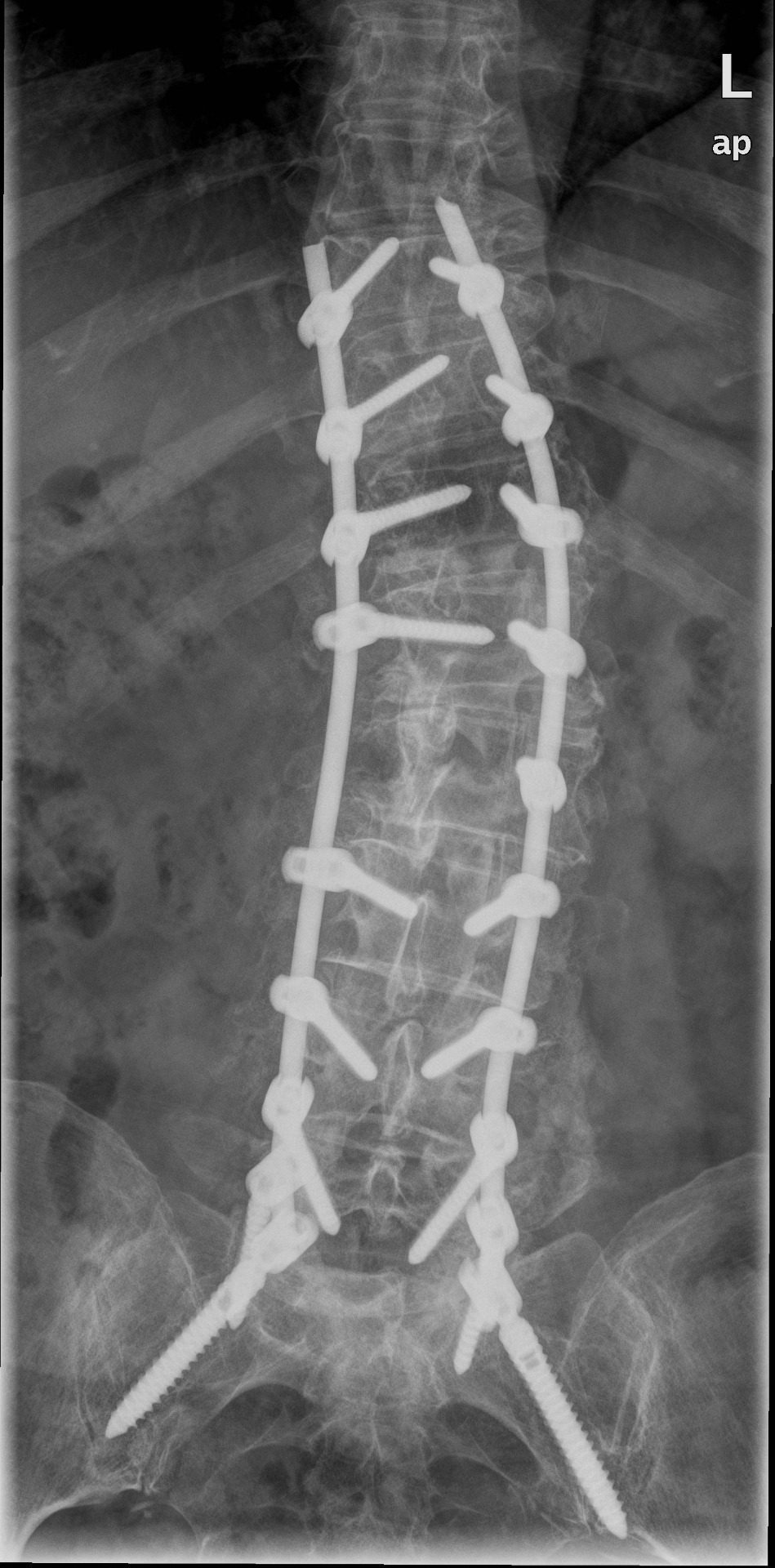
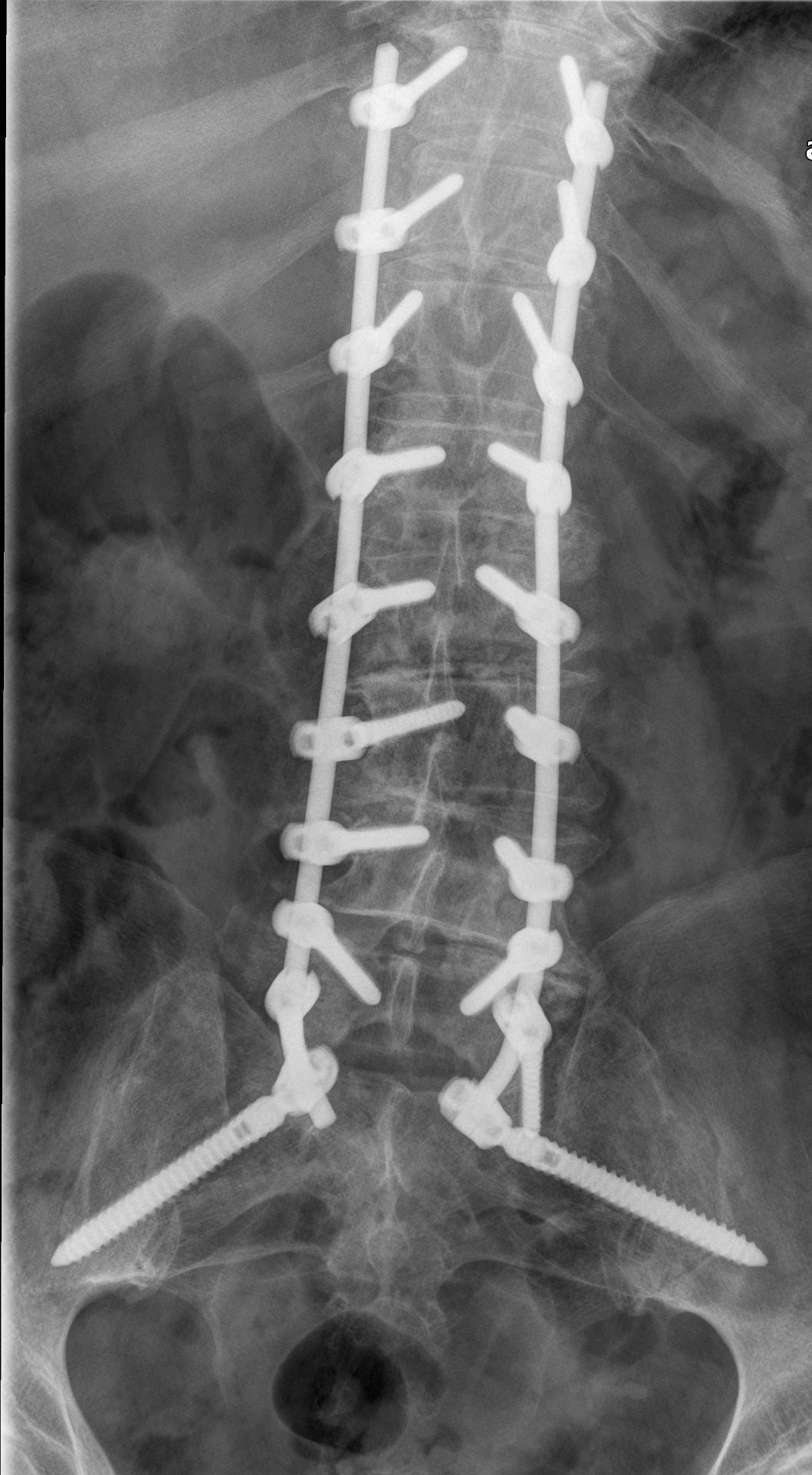
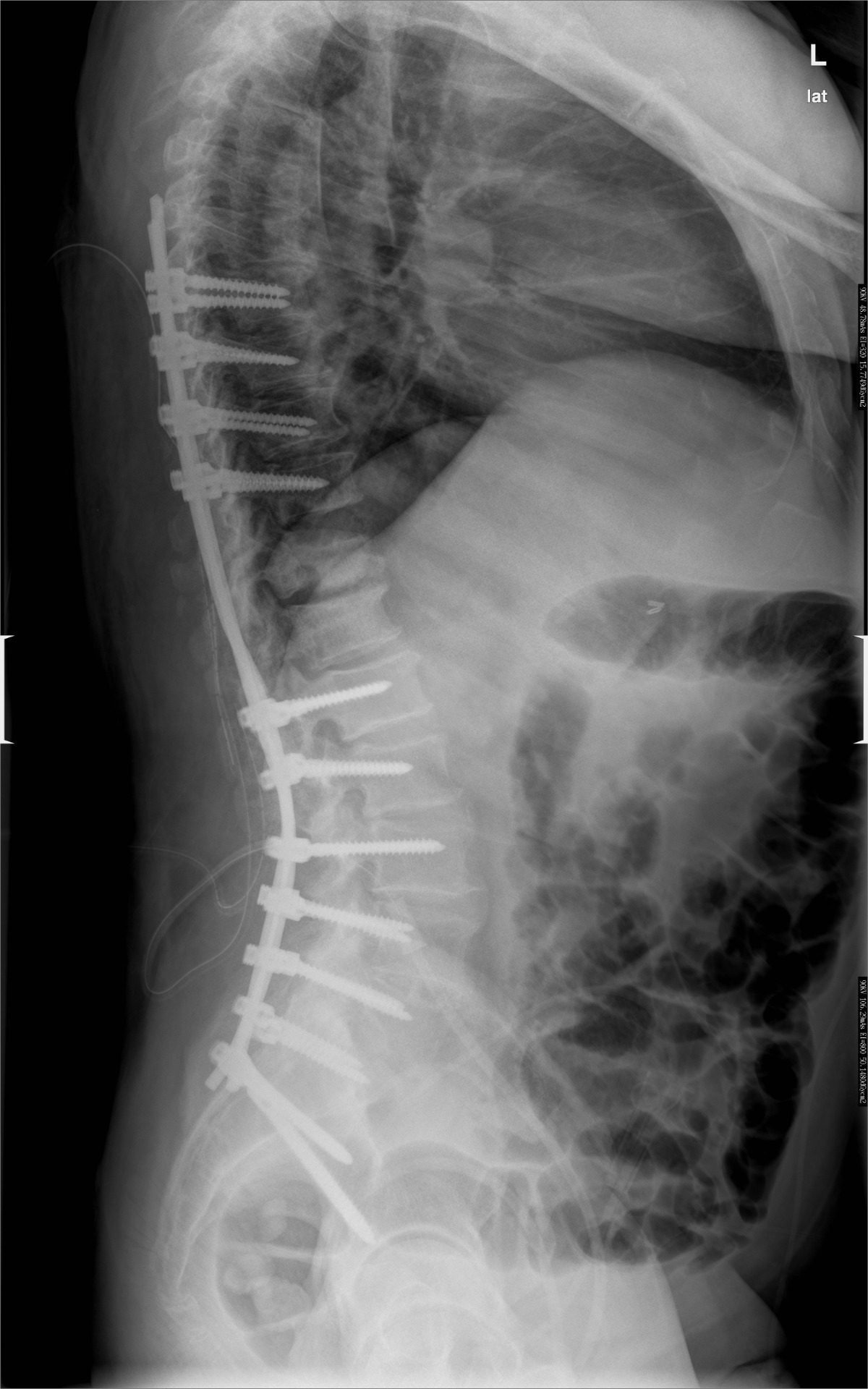
These are usually degenerative changes such as herniated and worn discs, arthritis of the intervertebral joints, instability between the vertebrae, curvature of the spine and narrowing of the spinal canal and intervertebral orifices. The above conditions often result in pain or weakness in the limbs.
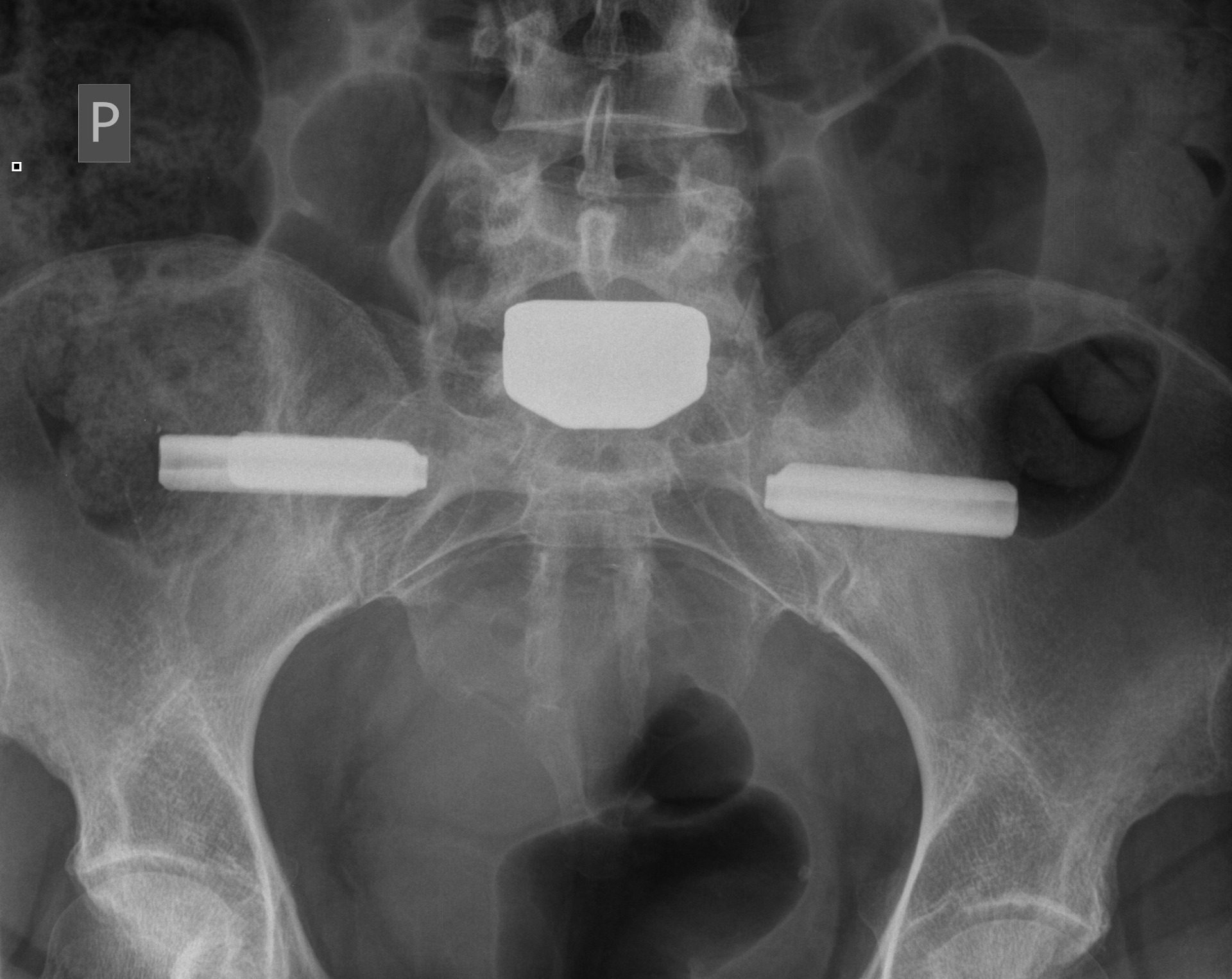
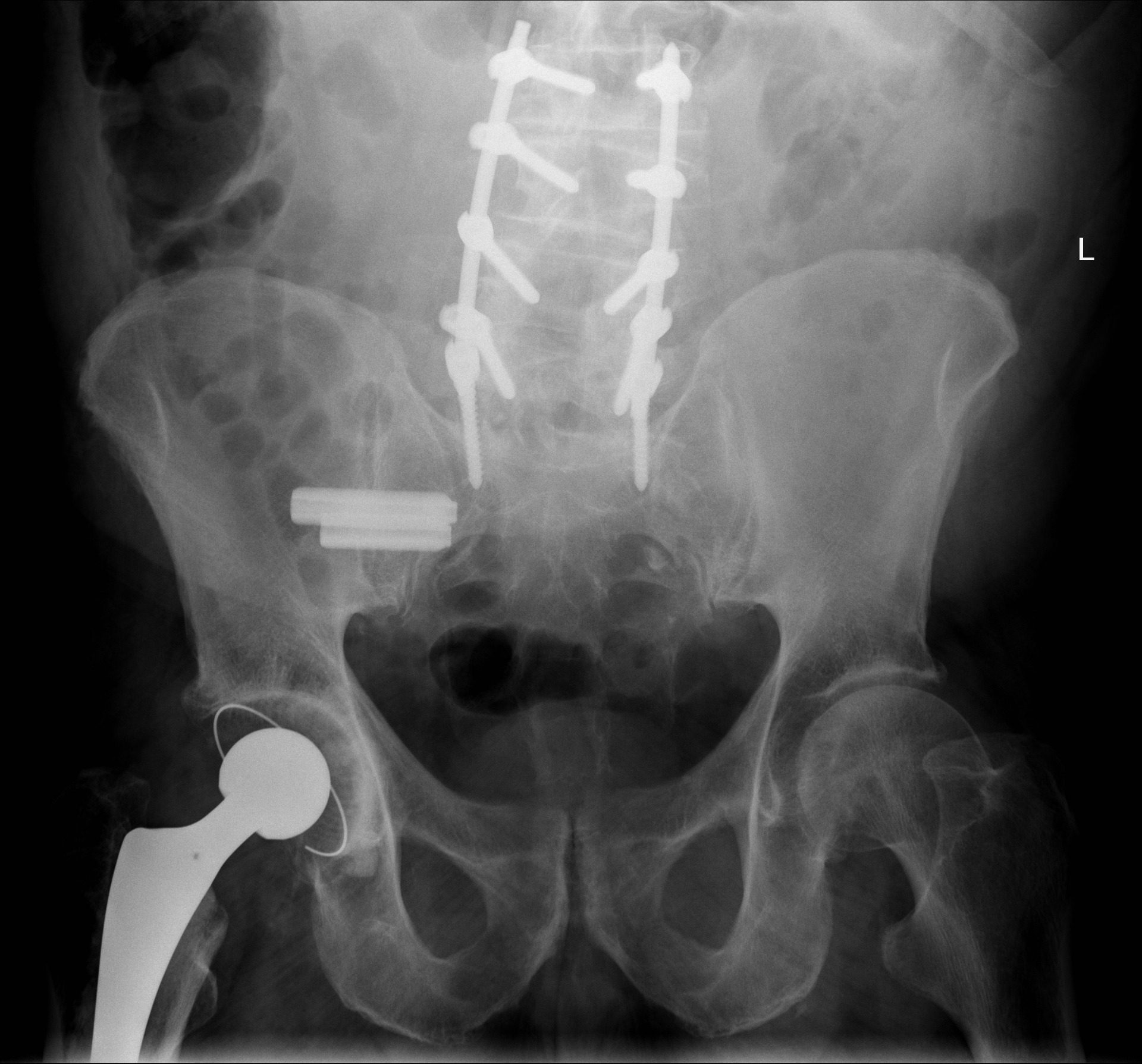
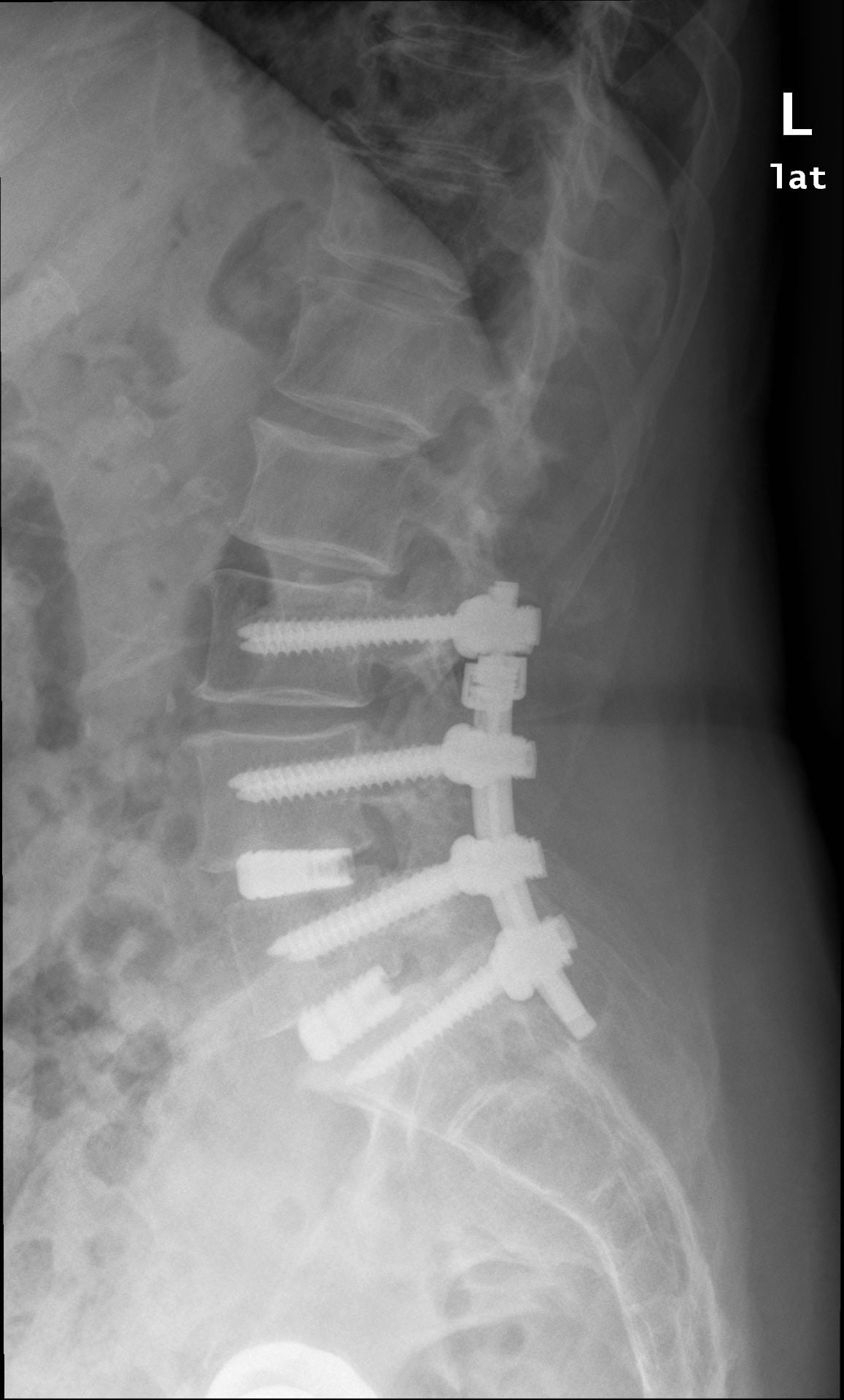
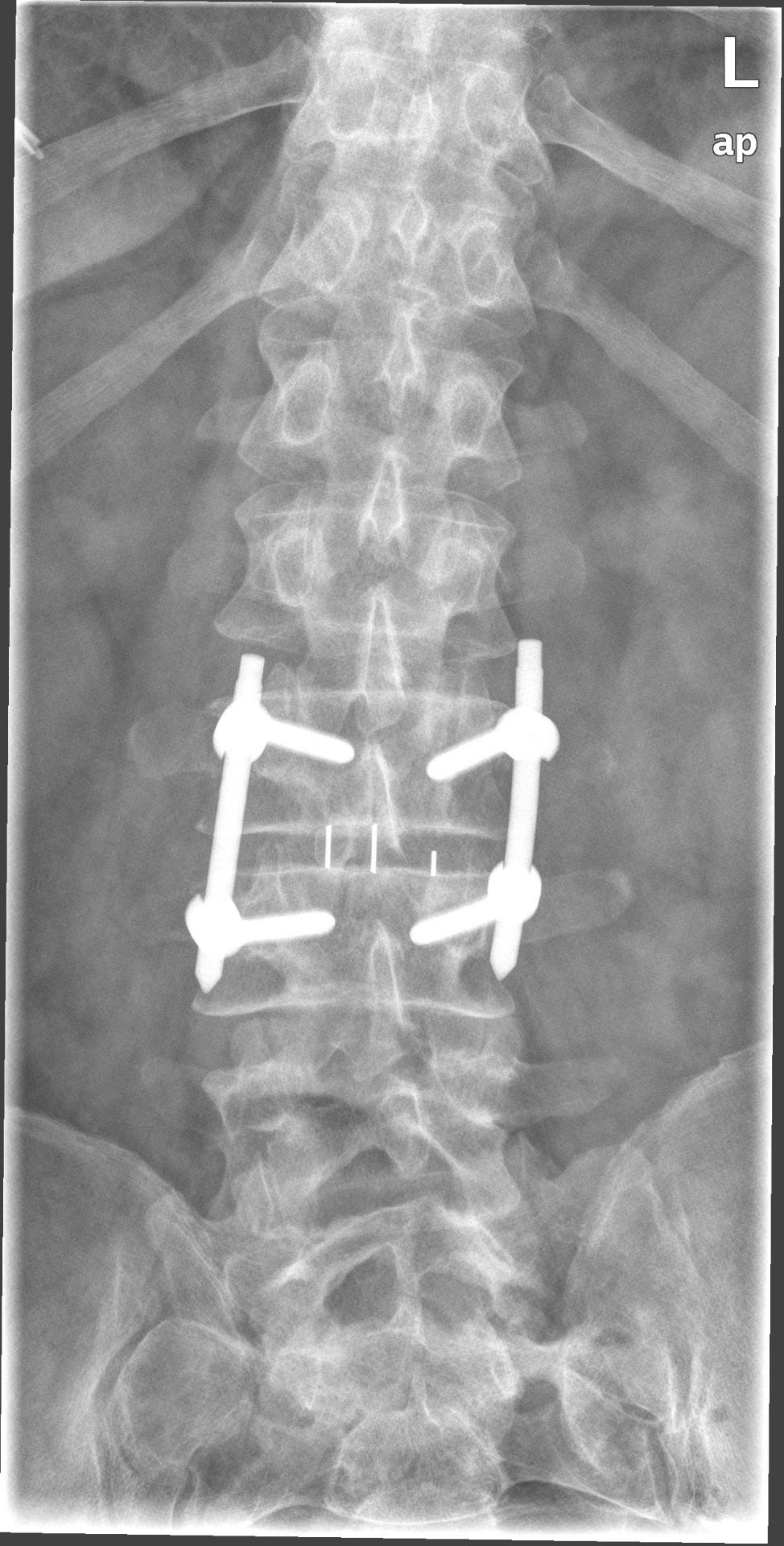
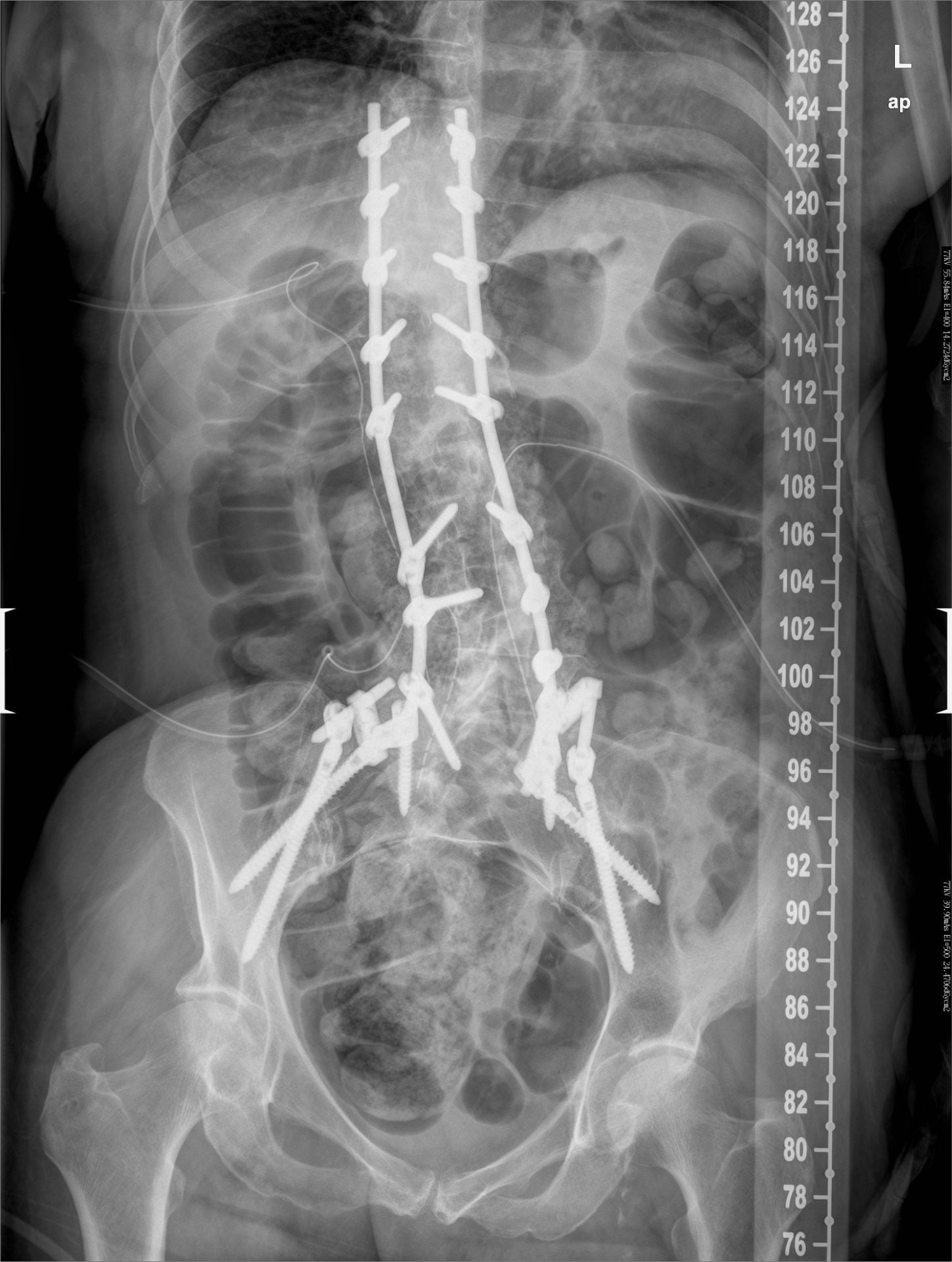
We usually offer patients decompression of nerve structures with or without spinal stabilization. The choice of the optimal treatment procedure is always based on the individual needs of the patient, taking into account the existing pathologies.
Conditions and injuries
Degenerative changes can affect the discs, joints and space around nerve structures. These conditions often cause pain or weakness in the limbs. Similar symptoms can therefore have different causes, and treatment depends on the individual findings.
Disc herniation and disc wear
Arthritis of the joints between vertebrae
Spinal instability and curvature
Narrowing of the spinal canal and openings between vertebrae
Treatment options
The surgical procedures described include relieving pressure on nerve structures, known as decompression. This can be performed with or without spinal stabilisation. The decision takes existing spinal changes and the individual needs of the patient into account. The original procedure examples remain below; other treatment areas are listed in the services overview.