Wrist
Anatomy and function
The wrist consists of eight small bones and forms a complex joint with both bones of the forearm.
The most common problems include post-traumatic conditions – incorrectly healed fractures, injuries to ligaments and tendons, and subsequent osteoarthritis.
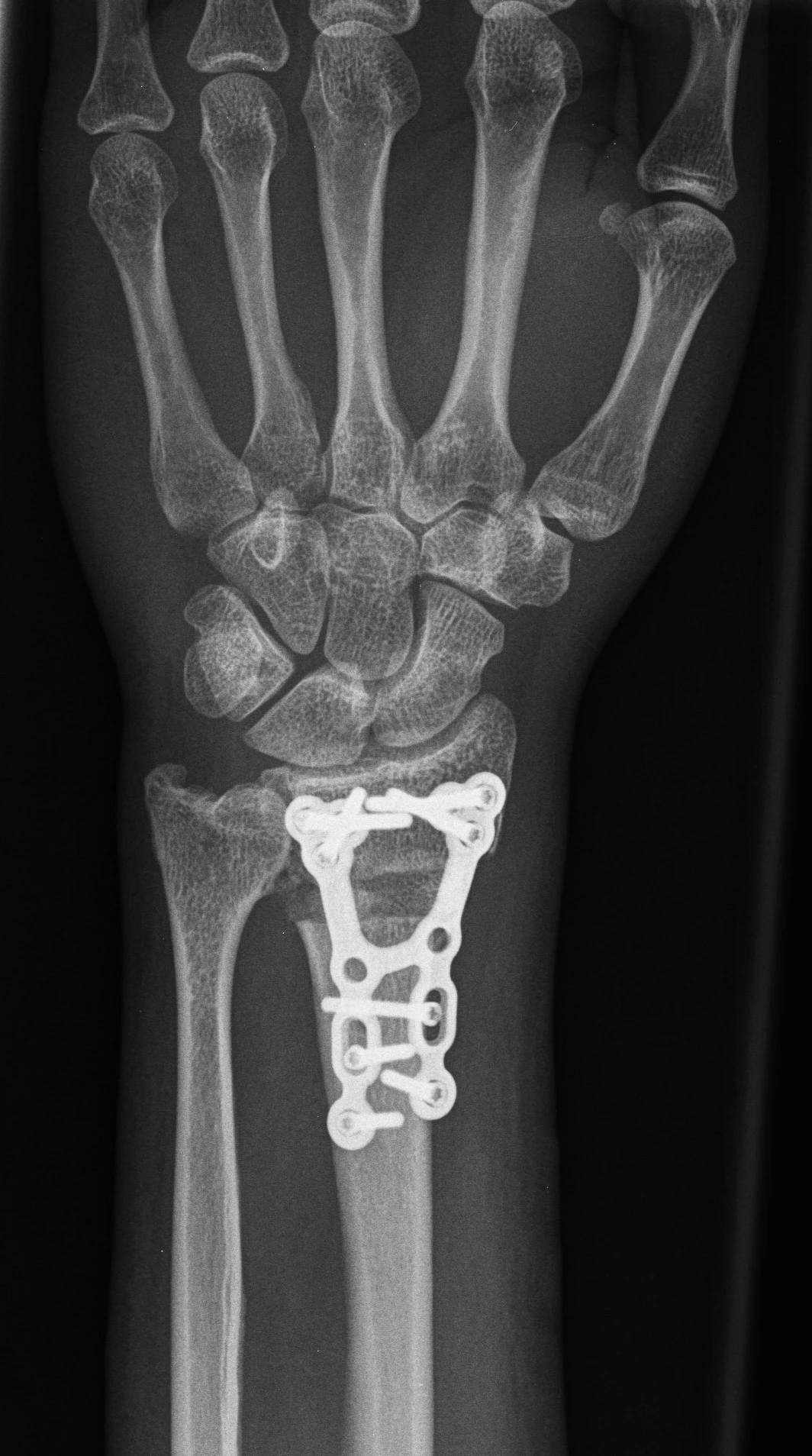
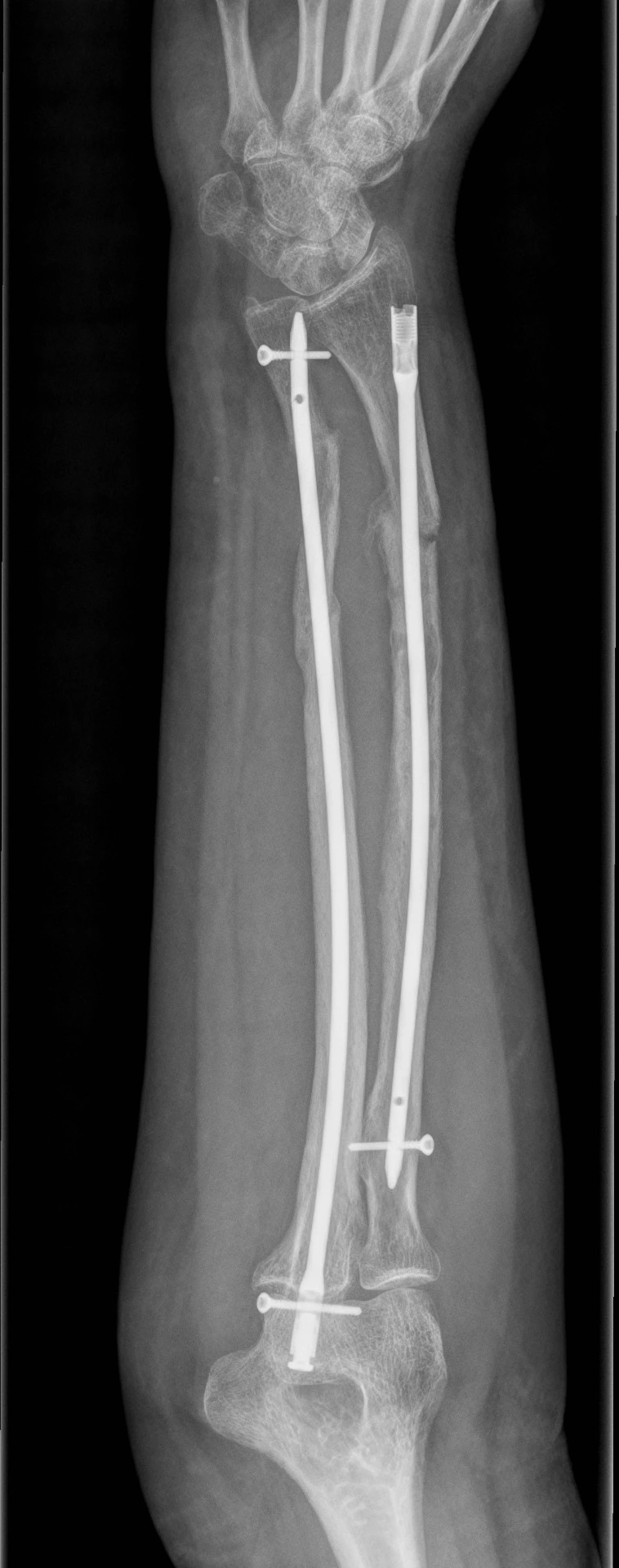
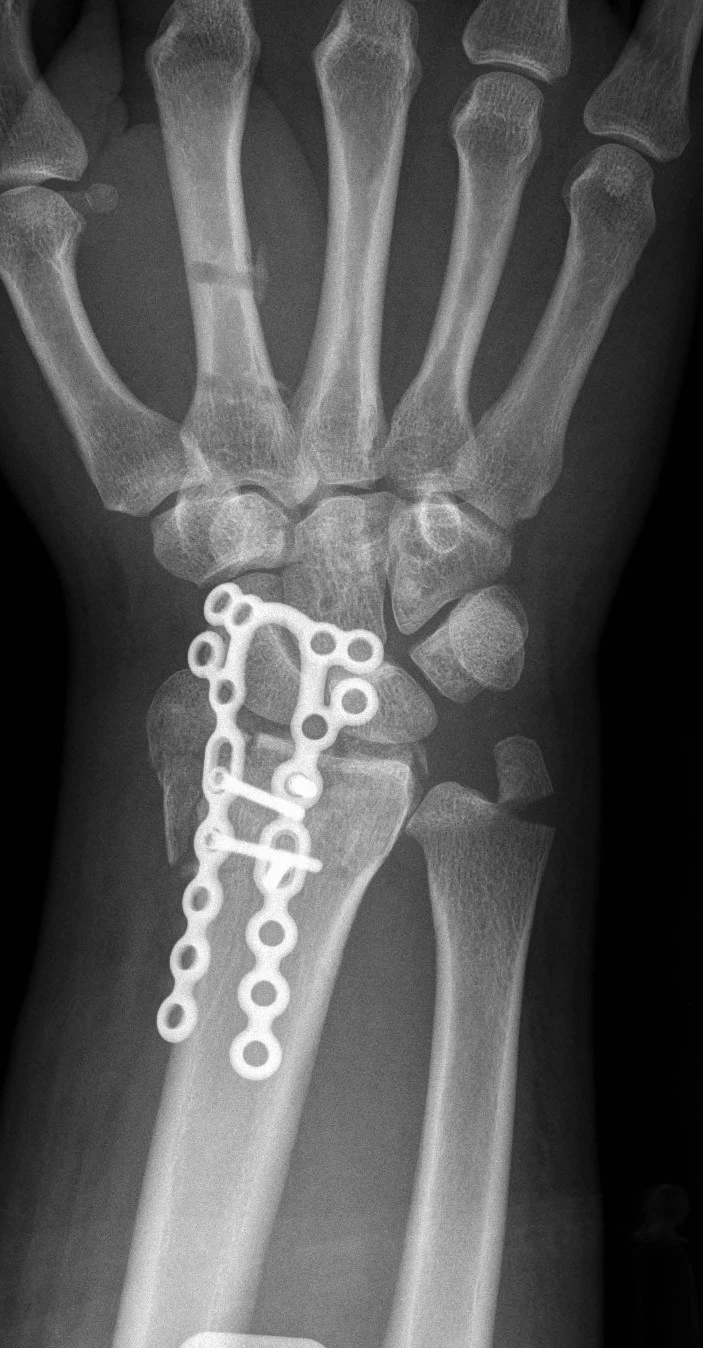
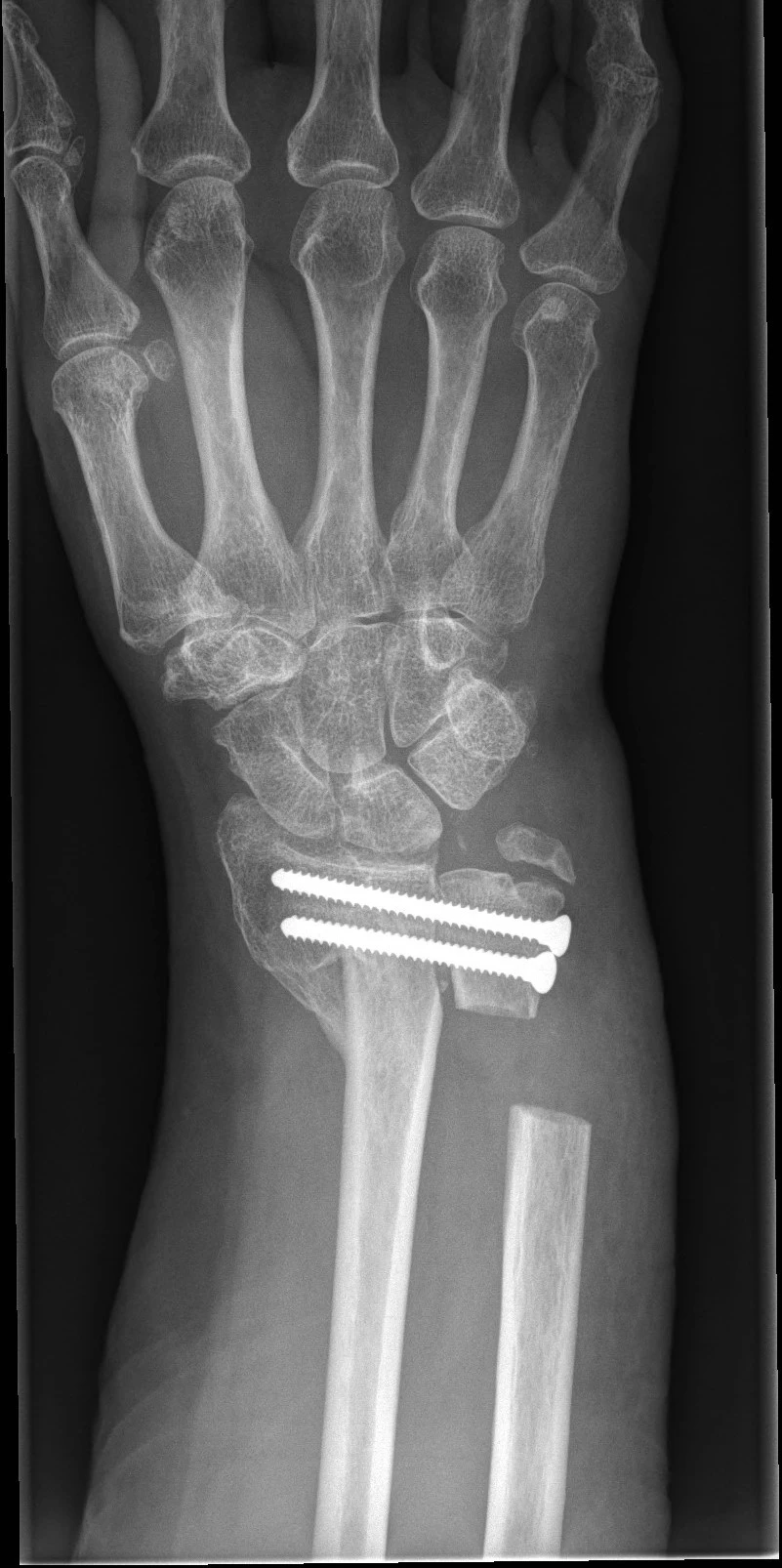
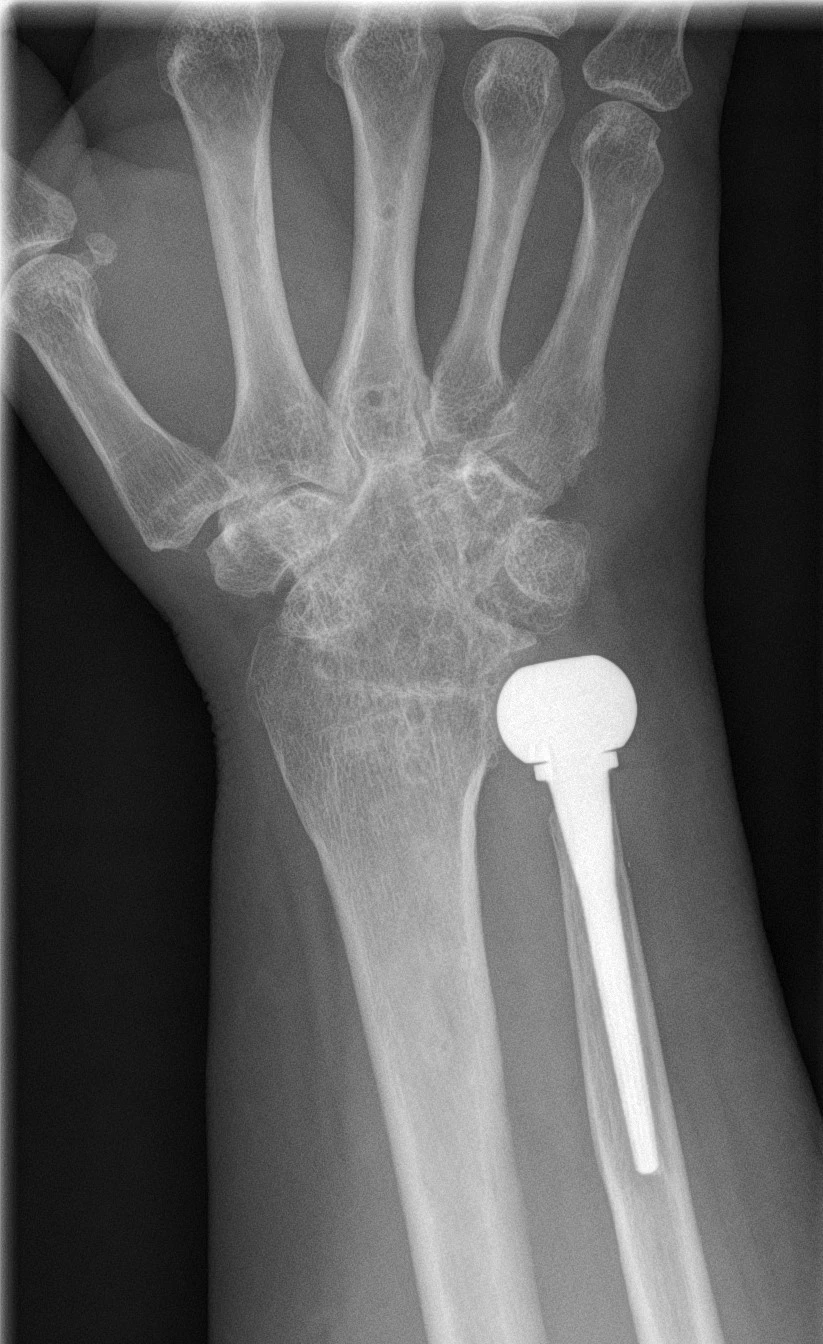
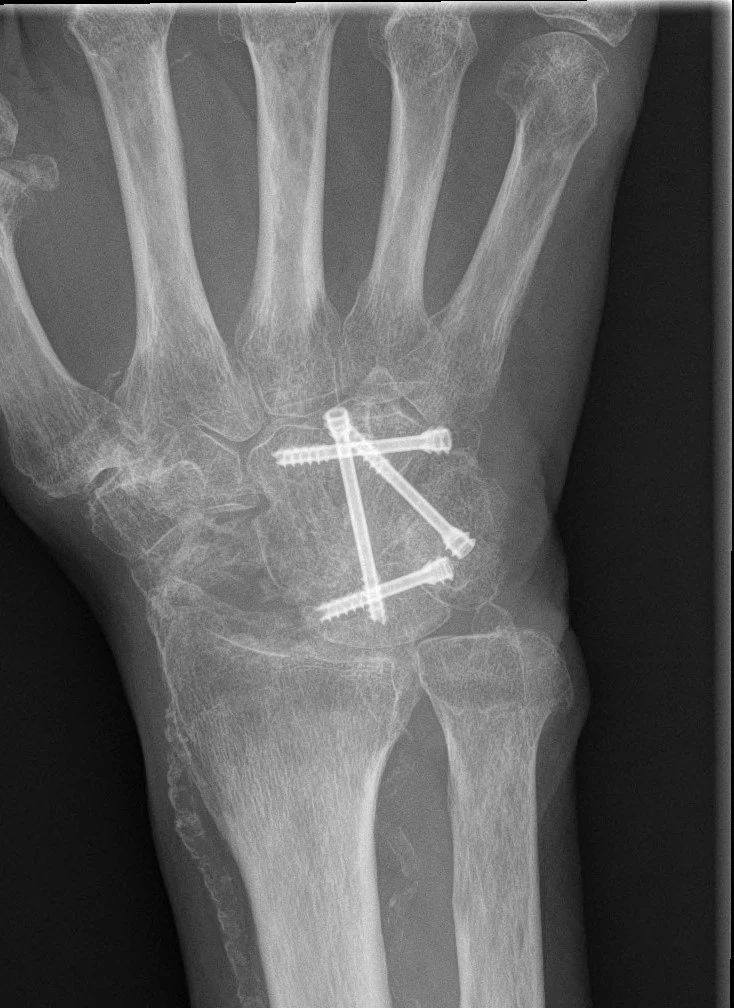
We resolve unhealed or incorrectly healed fractures by corrective surgery, replace injured ligaments, partially or completely strengthen joints in osteoarthritis, or replace joints with endoprostheses.
Conditions and injuries
Wrist damage can cause pain, stiffness and restricted movement. Symptoms may occur when gripping objects and during other everyday activities. Joint wear needs to be distinguished from instability following a ligament injury or the consequences of an unhealed scaphoid fracture.
- Arthritis and joint wear
- Instability following ligament injury
- A scaphoid fracture that has not healed (SNAC)
- Fractures that healed incorrectly and tendon damage
Treatment options
Corrective surgery may be considered for fractures that have not healed or have healed incorrectly. Treatment may also involve reconstructing injured ligaments. Depending on the extent of arthritis, partial or complete fusion or joint replacement may be considered. The pages below explain arthritis, instability and the consequences of a scaphoid fracture in more detail.
Explore individual conditions and procedures
Do you have symptoms and want to discuss treatment?
Contact the practice of Univ.-Prof. Dr. Hart. The treatment approach is selected according to your findings and individual needs.
Arrange a consultation