Knee
Anatomy and function
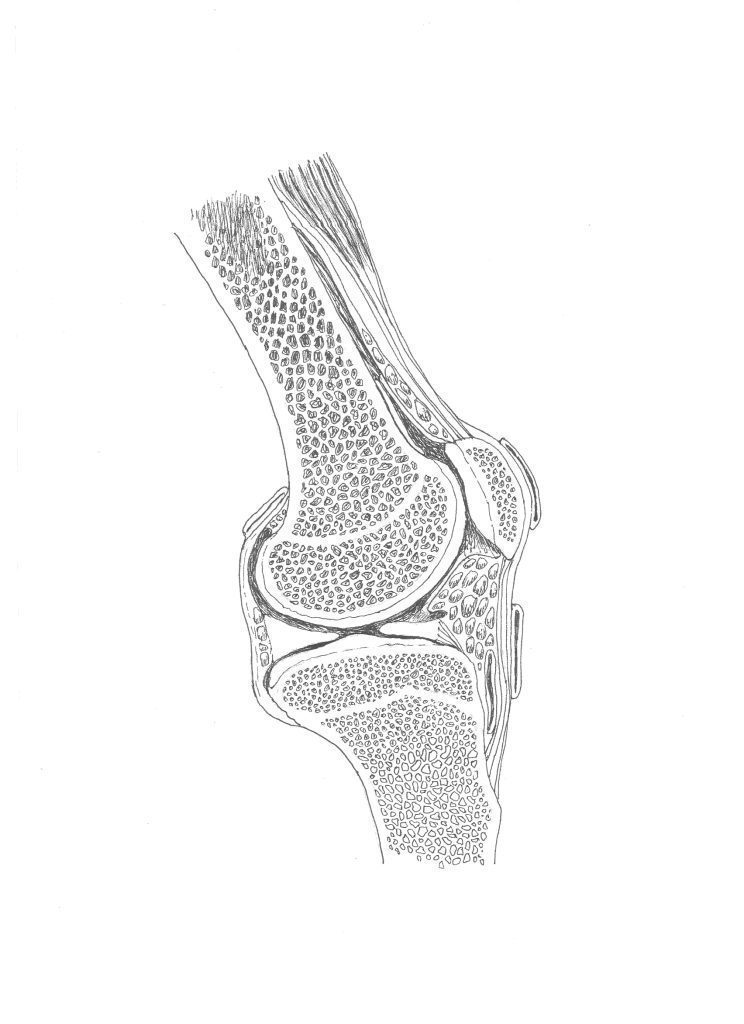
The kneeniegelenk is a complex system of joint surfaces, ligaments and muscles with their tendons.
The spectrum of knee joint damage is very broad – from injuries to menisci, cartilage and ligaments to developmental and post-traumatic changes and osteoarthritis.
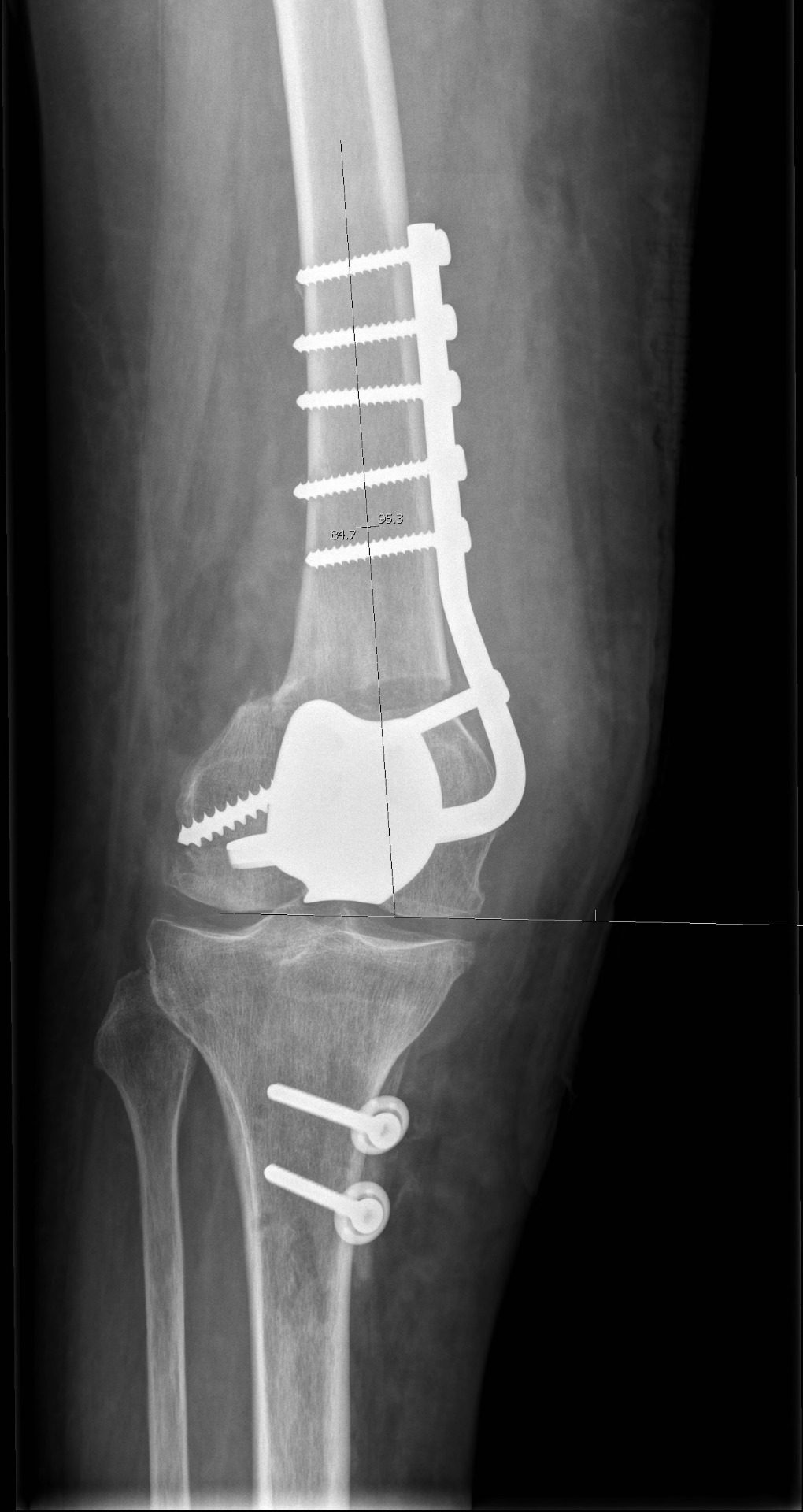
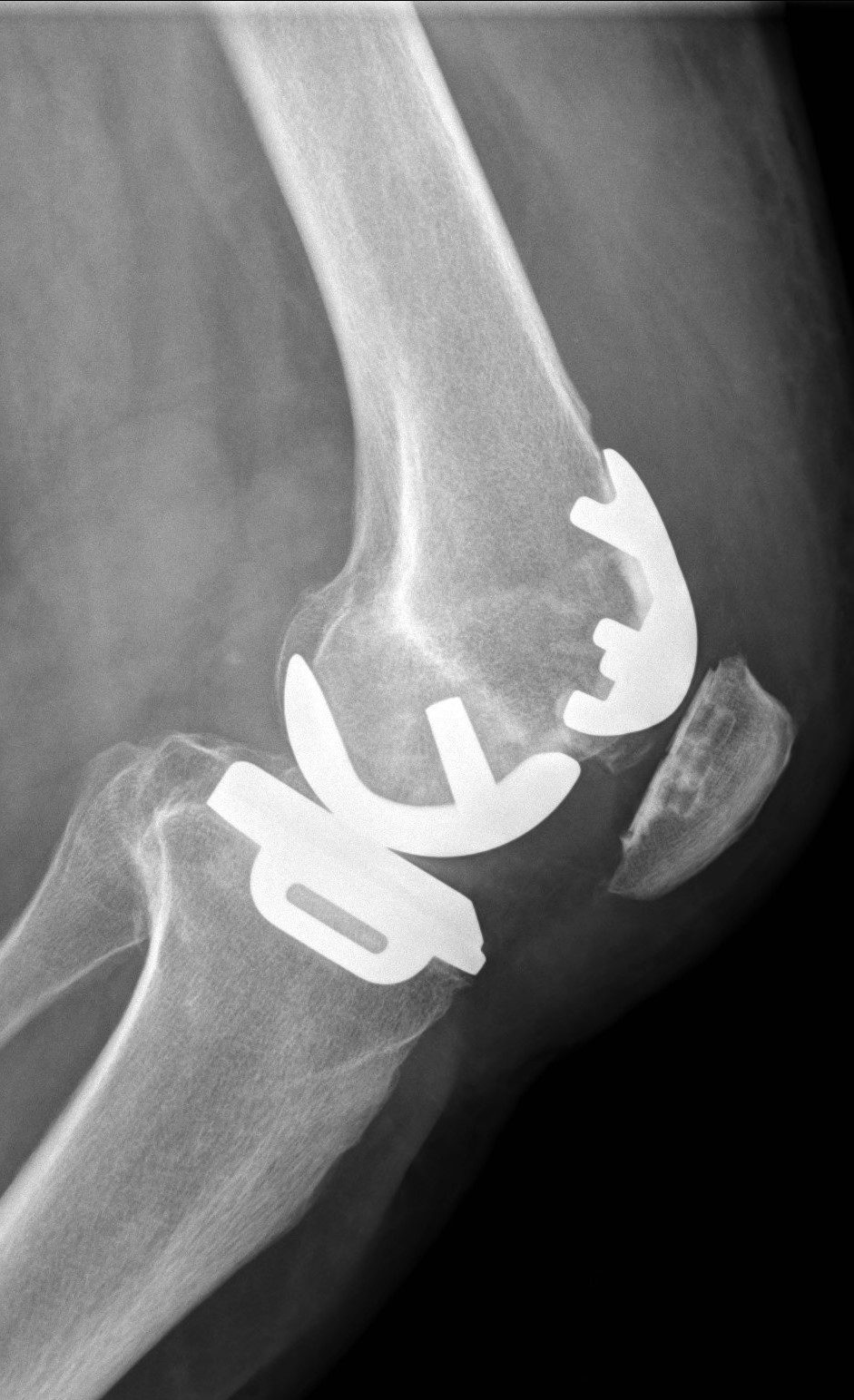
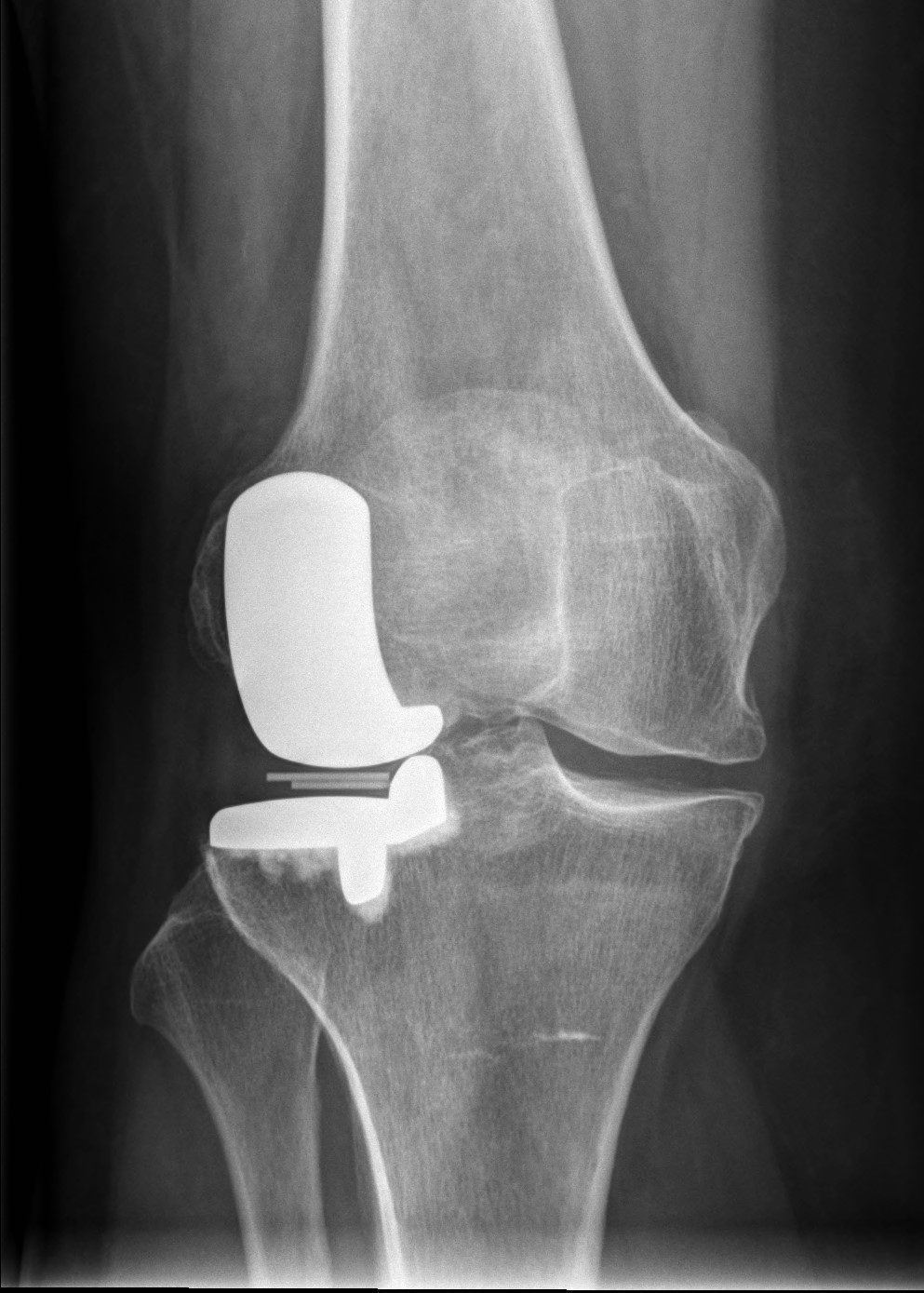
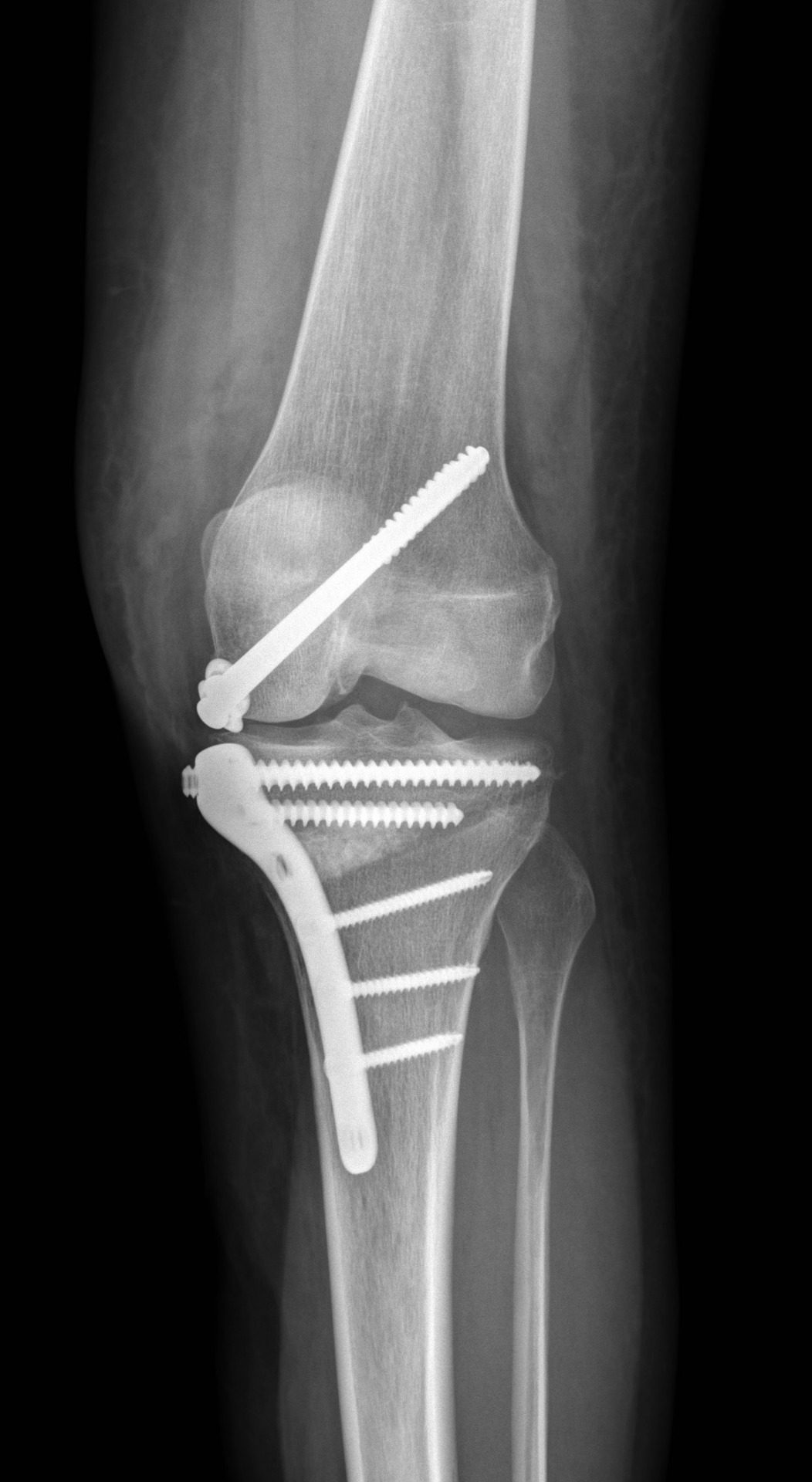
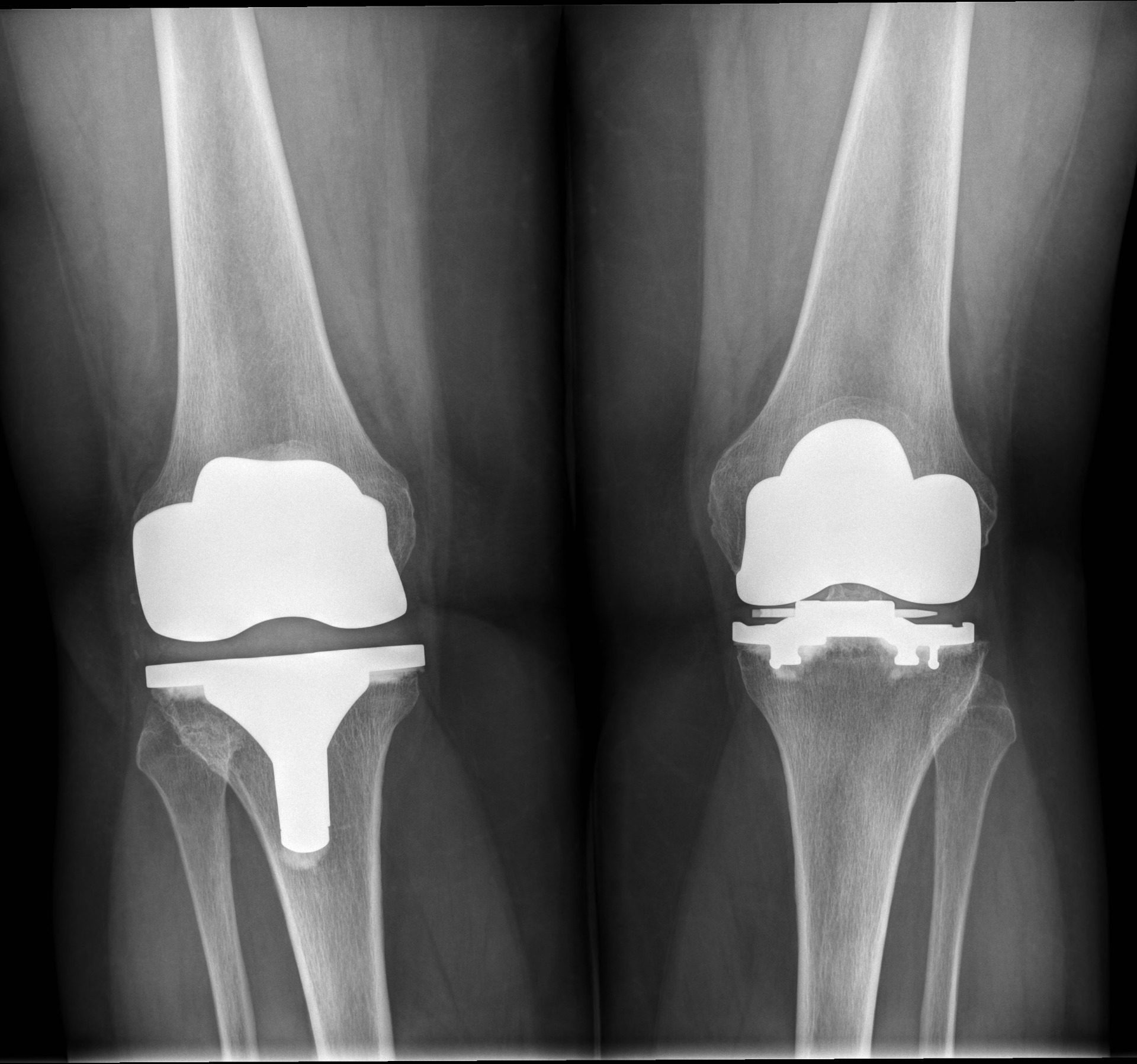
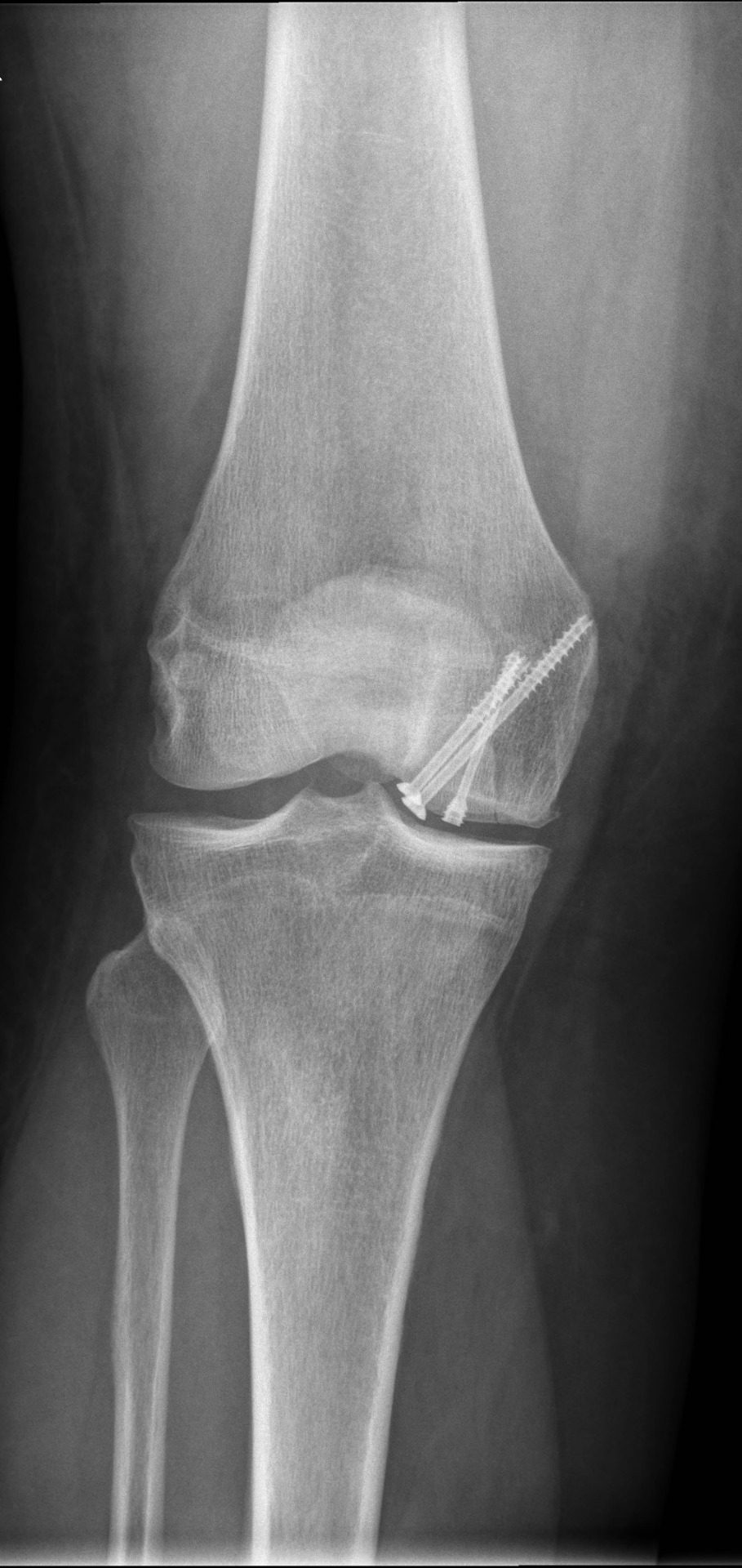
We therefore always select the treatment method individually according to the type and extent of the impairment. We treat or transplant menisci and cartilage, reconstruct ligaments, solve bone defects, axial deviations and pathologies of the kneecap, and implant partial or total endoprostheses.
Conditions and injuries
The knee consists of joint surfaces, ligaments, muscles and tendons. Damage can affect the menisci and cartilage, ligament stability or kneecap alignment. Treatment is therefore chosen individually according to the type and extent of the problem.
- Meniscus, cartilage and ligament injuries
- Instability and kneecap conditions
- Bone defects and alignment problems
- Arthritis and injury-related changes
Treatment options
Treatment includes repairing or transplanting menisci and cartilage, reconstructing ligaments, addressing bone defects and correcting alignment. Partial or total joint replacement may be considered for arthritis, depending on the findings. The pages below cover joint-preserving knee surgery, patellar instability and partial knee replacement.
Explore individual conditions and procedures
- Joint-preserving knee surgery
- Knee: Patella stability
- Partial Knee Replacements and Early Osteoarthritis Treatment
Do you have symptoms and want to discuss treatment?
Contact the practice of Univ.-Prof. Dr. Hart. The treatment approach is selected according to your findings and individual needs.
Arrange a consultation